
Family Support Blog
Should Children Be Present During In-home Euthanasia? A Gentle Guide For Parents
When a beloved pet reaches the end of their life, families are faced with many difficult decisions. One question parents often ask is whether their children should be present during the euthanasia process—especially when it takes place in the comfort of home.
For many families, in-home euthanasia offers a peaceful and loving environment for a pet’s final moments. But deciding whether children should be present can feel overwhelming.
At Kona’s Loving Paws, we understand how important it is for families to navigate this moment with compassion, understanding, and care. This guide is designed to help parents thoughtfully decide what feels right for their child and their family.
Understanding What Children Experience
For many children, the loss of a pet may be their first experience with death. While this can feel like a heavy moment, it can also become a meaningful opportunity to teach children about love, compassion, and the natural cycle of life.
When euthanasia happens peacefully at home, some children find comfort in seeing that their pet was surrounded by love and did not suffer.
However, every child is different. Some children may feel reassured by being present, while others may feel frightened or confused by the experience.
There is no single right answer—only what feels best for your child and family.
When It May Be Helpful for a Child to Be Present
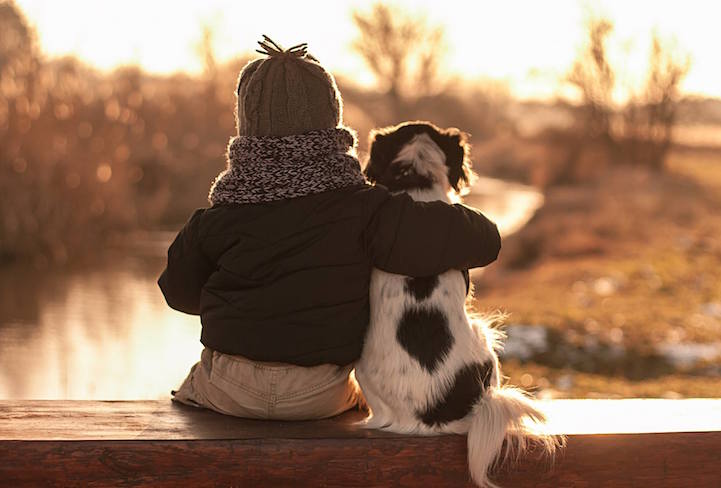
In some cases, being present can help even very young children experience the goodbye in a gentle and reassuring way.
Parents may consider including their child if:
- The child had a close and loving bond with the pet
- The child expresses curiosity or a desire to be nearby
- Parents feel able to emotionally support their child during the process
- The environment can remain calm and unhurried
Witnessing a peaceful passing at home can transform what might otherwise feel like a frightening or unknown concept into something tangible and calm.
For many children, this experience helps remove the fear around “what happens” when a pet dies. Instead of imagining something scary, they see a quiet, loving transition—often reducing anxiety around death and helping them feel a sense of peace.
When It May Be Better Not to Include Them
In other situations, it may feel more appropriate for children to say goodbye beforehand rather than being present during the euthanasia itself.
Parents might choose this option if:
- The child is very young and unable to understand what is happening
- The child feels scared, distressed, or overwhelmed
- The child is sensitive to medical settings or procedures
- Parents feel their attention may be divided during the appointment
- Parents want to focus fully on their pet in their final moments
For families with very young children, it’s also important to consider the balance of attention. Caring for a young child’s needs during the appointment can unintentionally shift focus away from the pet during their final moments.
Choosing not to include children does not take away from their ability to love, grieve, or say goodbye in meaningful ways.

Preparing Children If They Choose to Be Present
If you decide to include your child, gentle preparation can help them feel safe and supported.
Use simple, honest language such as:
“The doctor will give our pet medicine to help their body stop hurting. They will fall asleep very peacefully.”
Let children ask questions, and reassure them that all feelings—sadness, confusion, even moments of playfulness—are okay.
It can also help to give children a sense of choice and control:
- Sitting near their pet
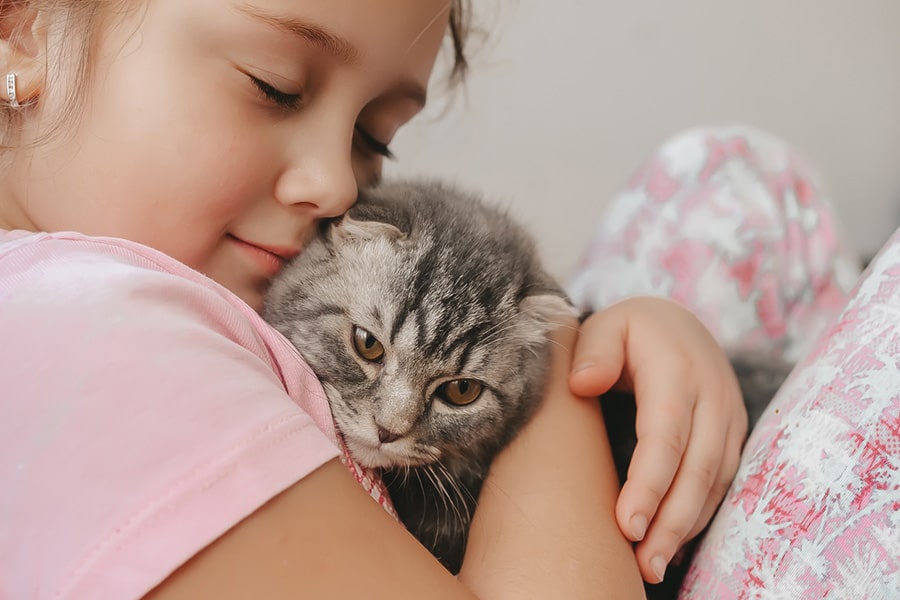
- Gently touching or holding their paw
- Saying goodbye in their own way
- Stepping in and out of the space as they need
Young children especially benefit from knowing they are not “locked in” to the experience—they can participate as much or as little as feels right to them.
Helping Children Process Grief Afterward
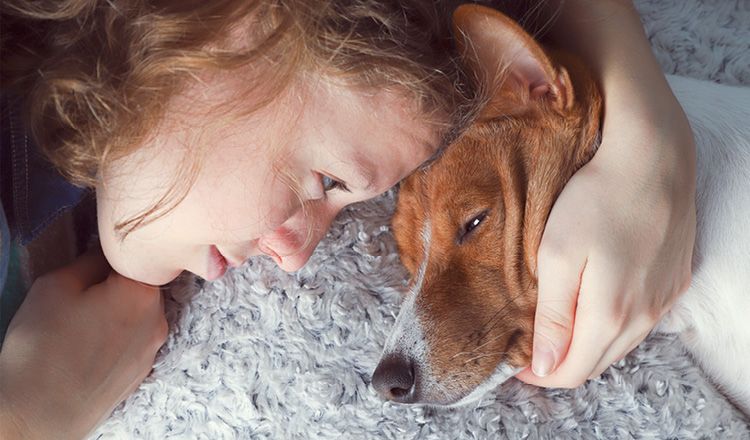
Children process grief differently than adults. Some may cry, while others may return to play quickly. Both responses are normal—especially for younger children.
Parents can help by:
- Talking openly and simply about what happened
- Sharing favorite memories
- Looking at photos together
- Creating a small memorial or goodbye ritual
Books can also be a gentle and supportive tool during this time. Stories help children understand and express feelings they may not yet have words for, and can make the idea of loss feel softer and less overwhelming.
You may consider exploring a curated list of children’s books about pet loss in our website. Gentle, age-appropriate stories can provide comfort, reinforce feelings of love, and help children process grief in a way that feels safe and reassuring.
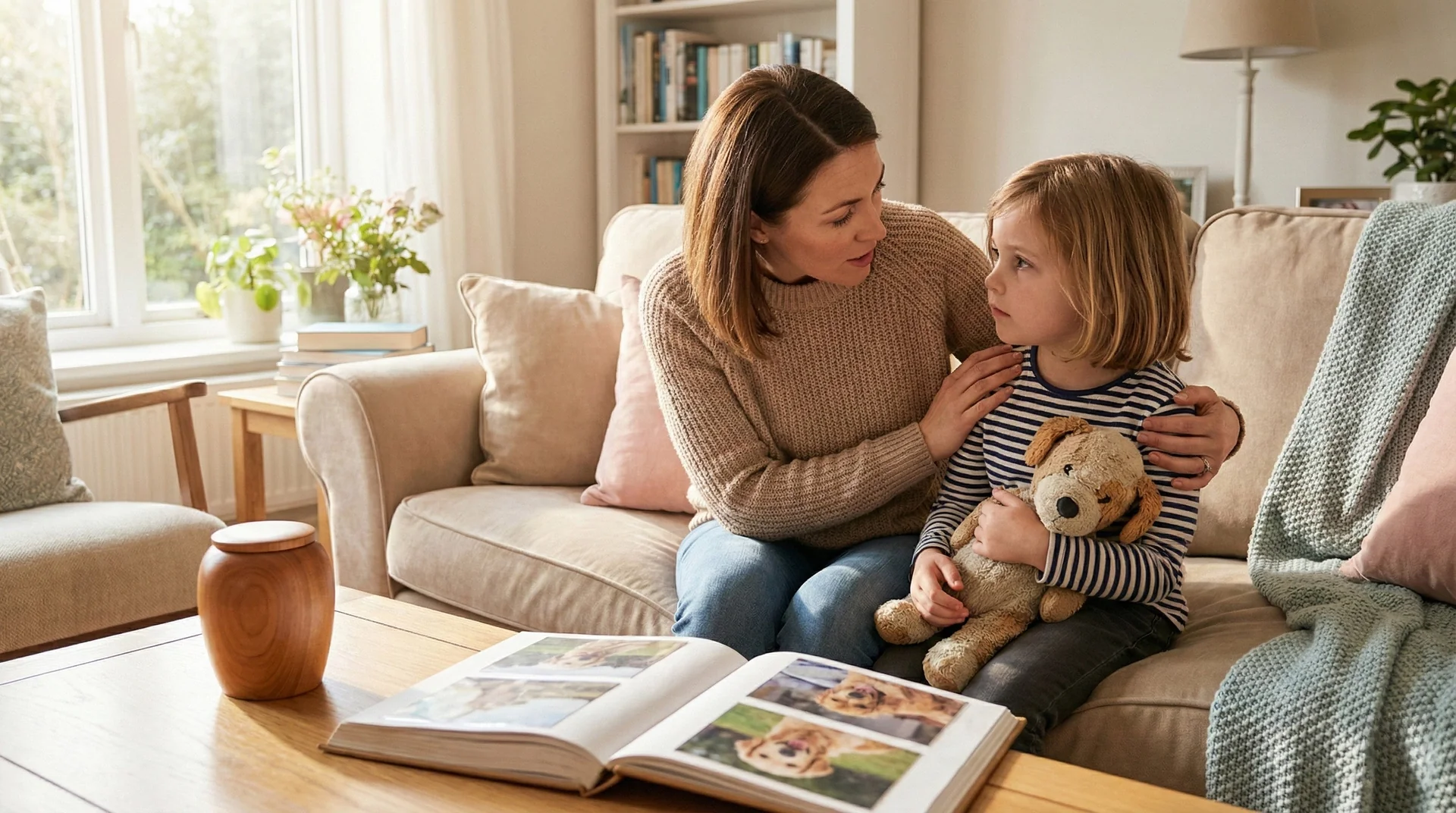
A Gentle Goodbye at Home
For many families, in-home euthanasia allows pets to spend their final moments in a familiar place, surrounded by love.
For young children, this setting can create a softer experience—one that allows them to engage, step away, and return again in a way that feels natural to them.
At Kona’s Loving Paws, our goal is to make this transition as peaceful and compassionate as possible—for pets and the families who love them.
Whether children are present, move in and out of the moment, or say goodbye beforehand, what matters most is that your pet feels safe, loved, and comforted.
Every family’s journey is unique, and we are honored to support you through this deeply personal time.