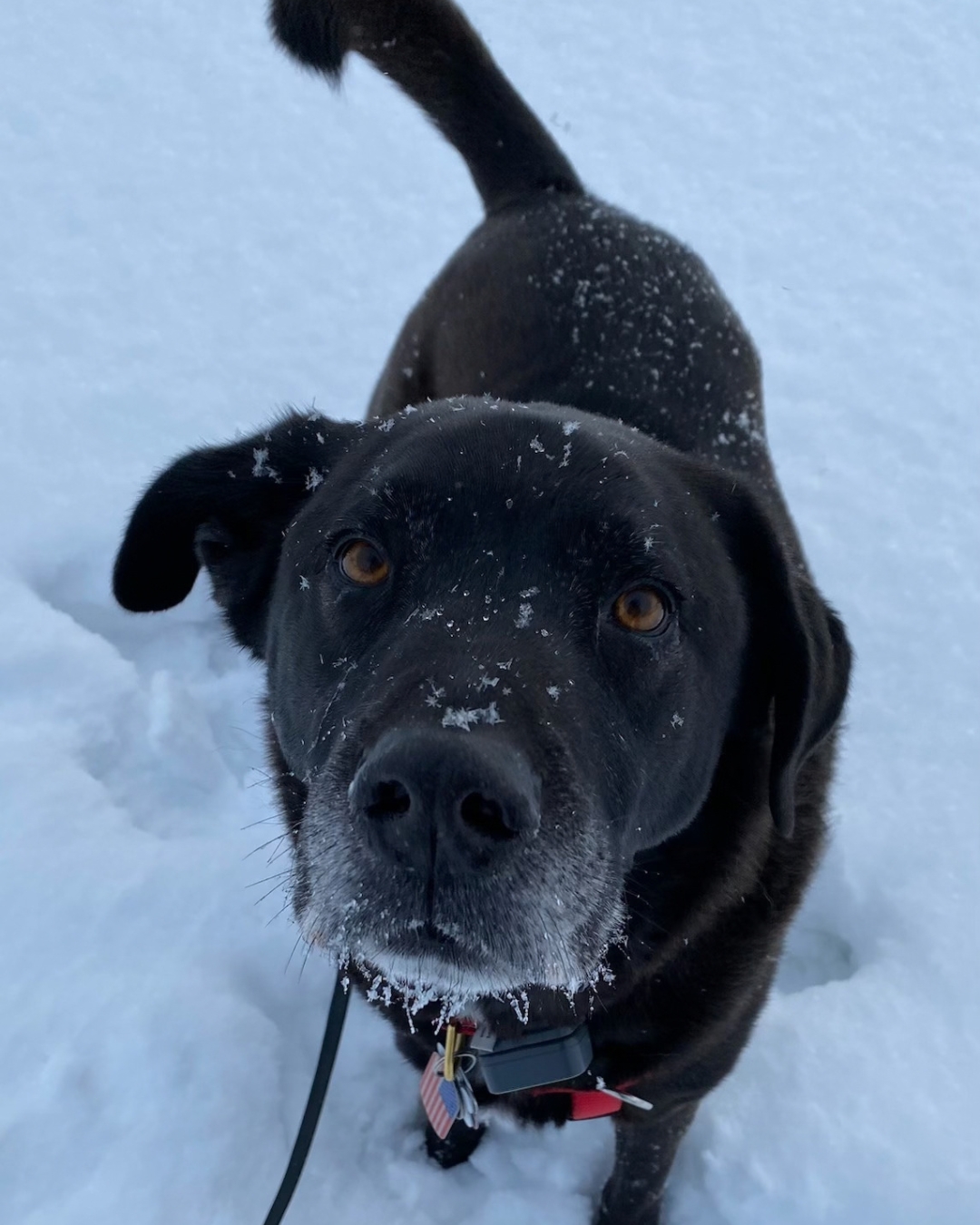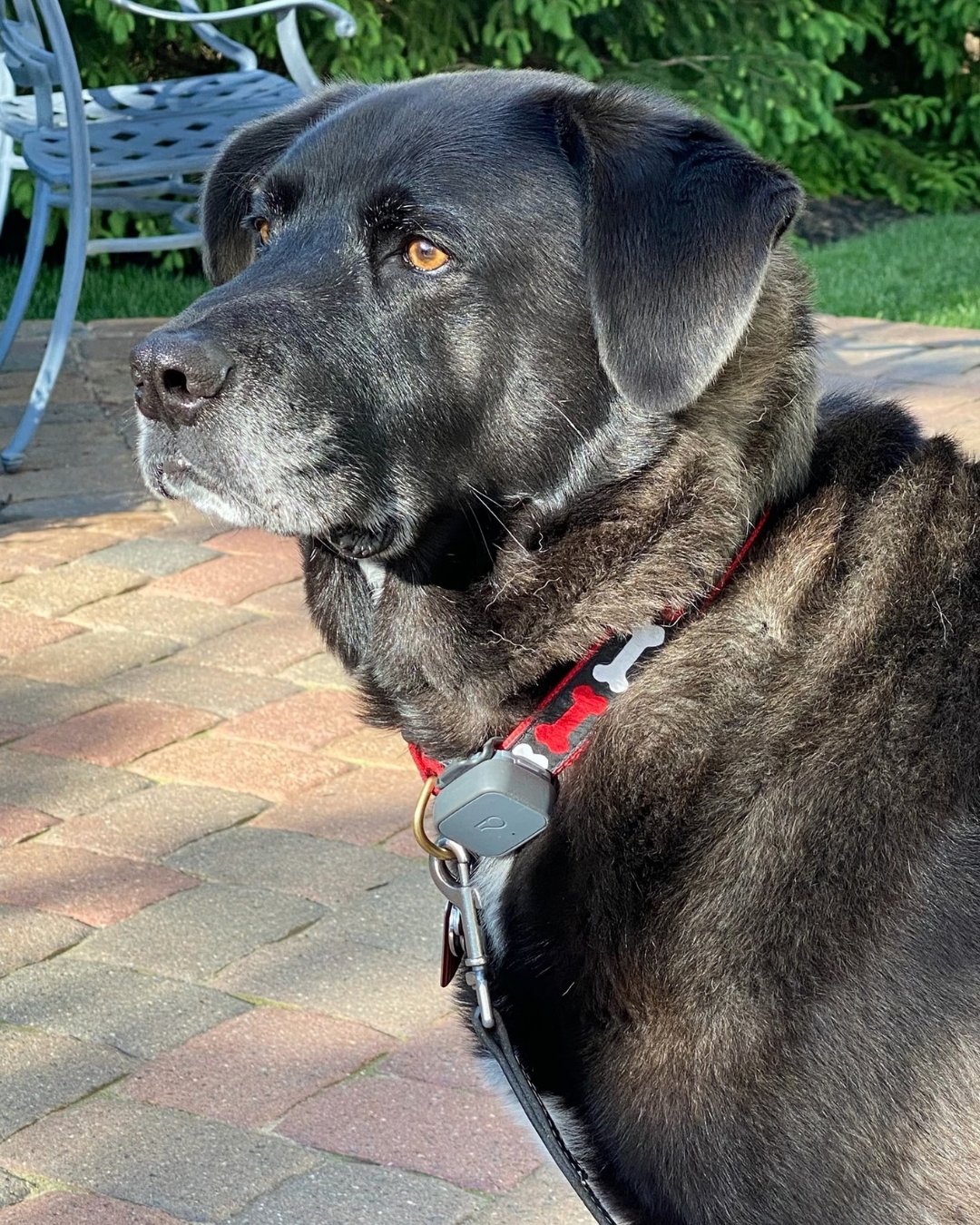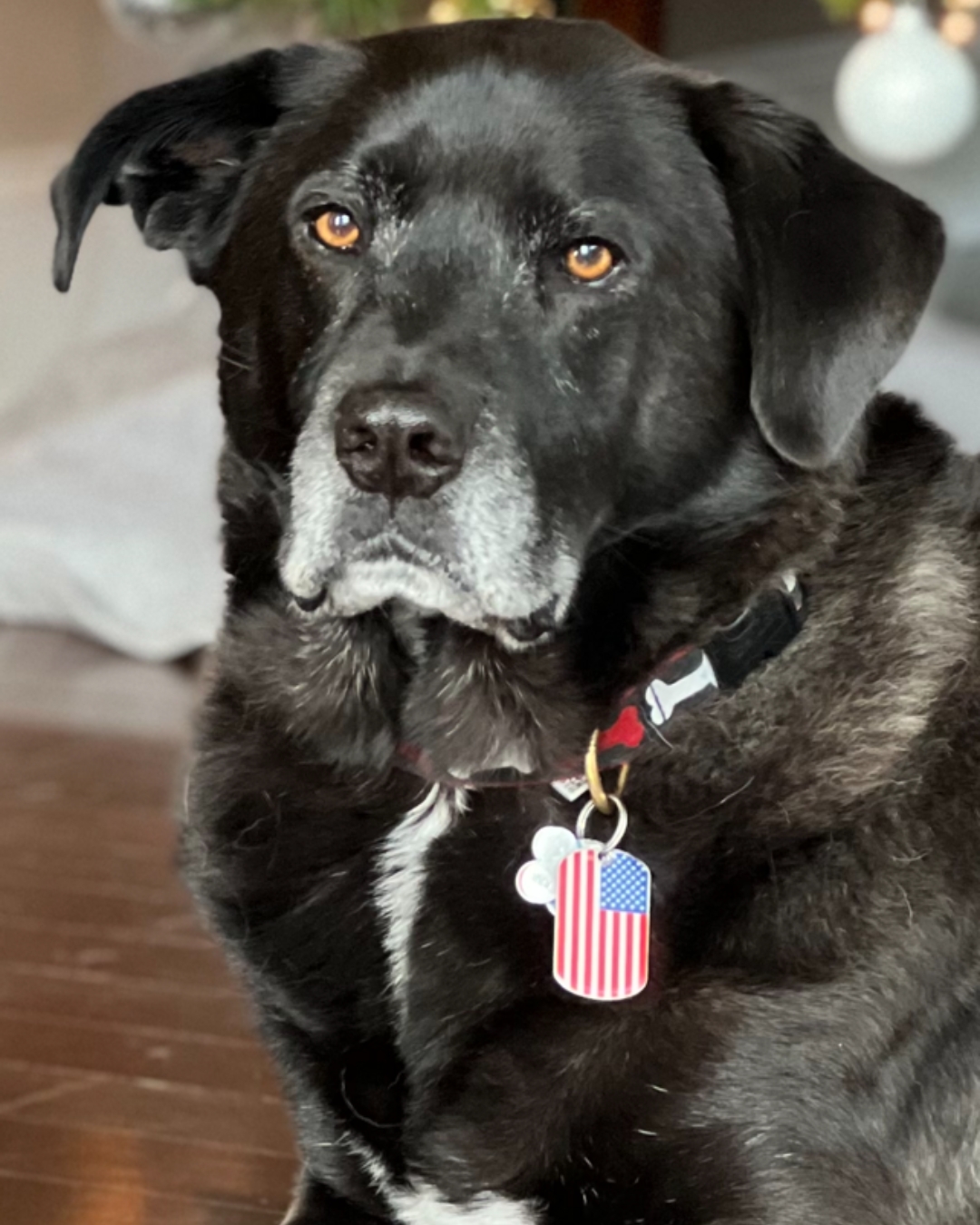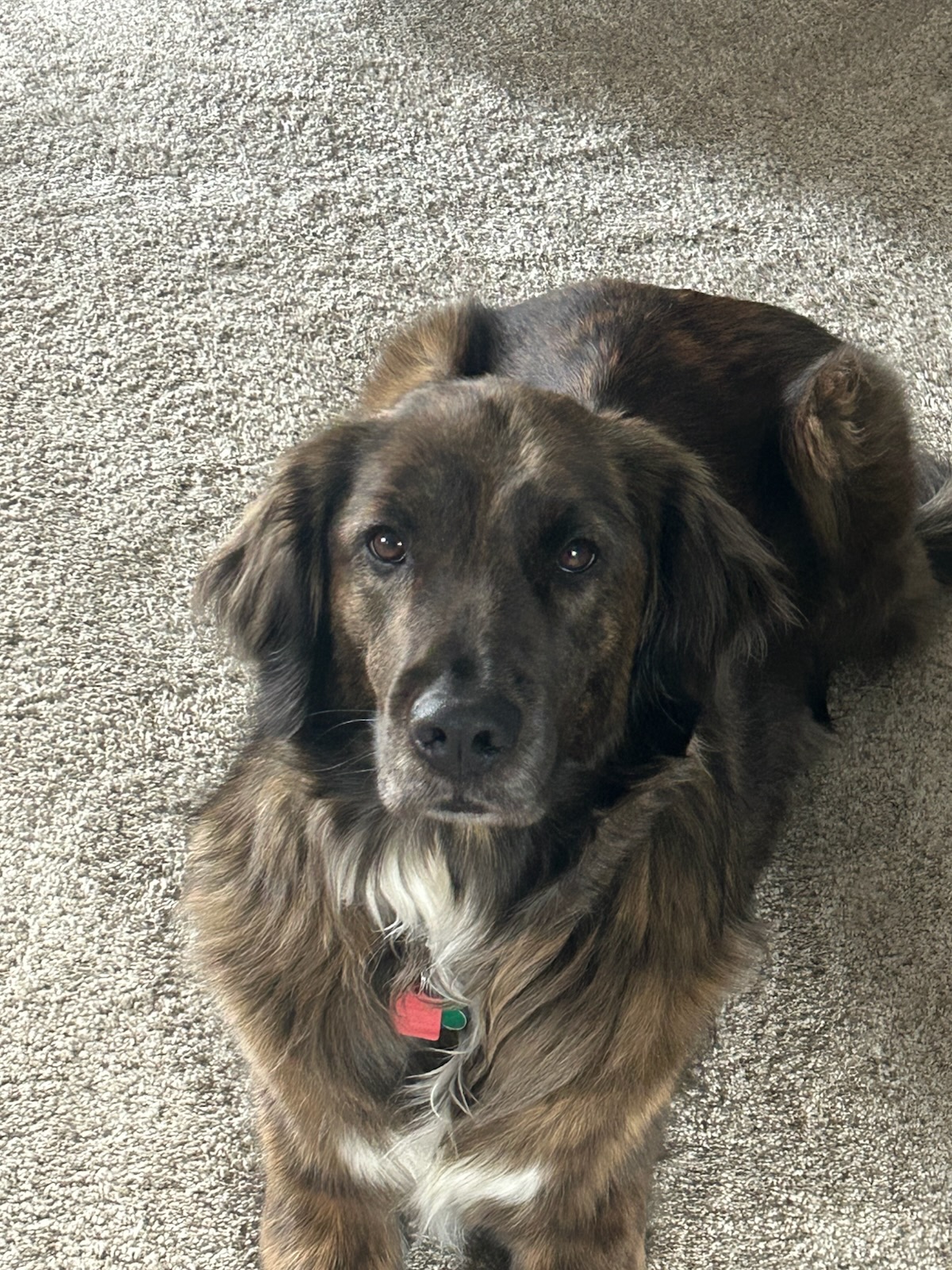
Bear
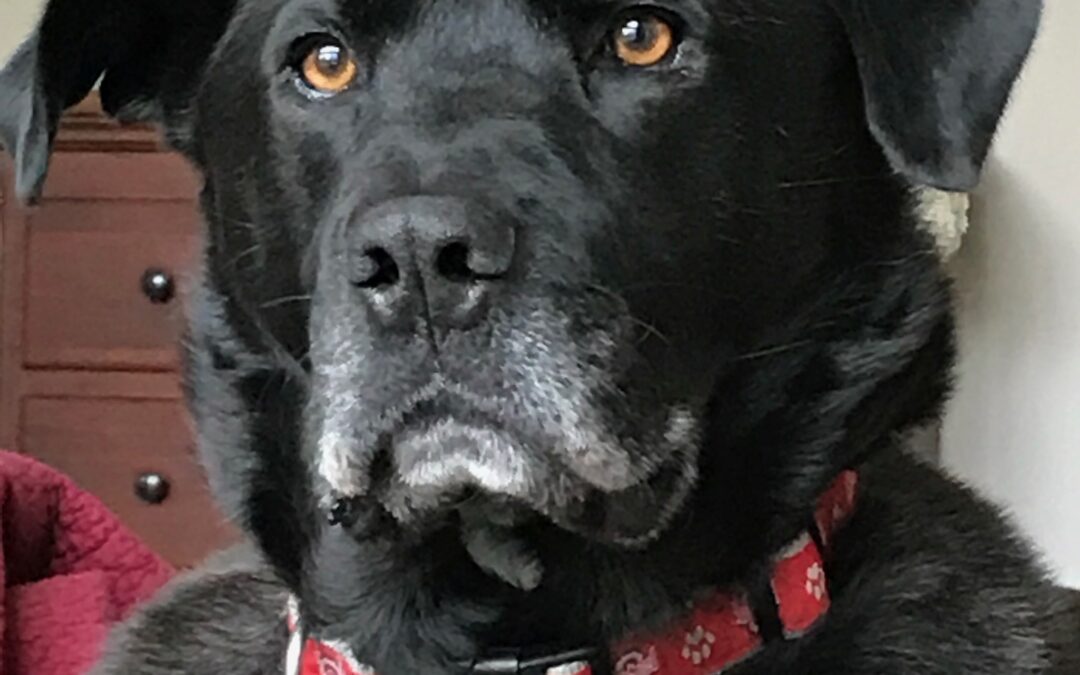
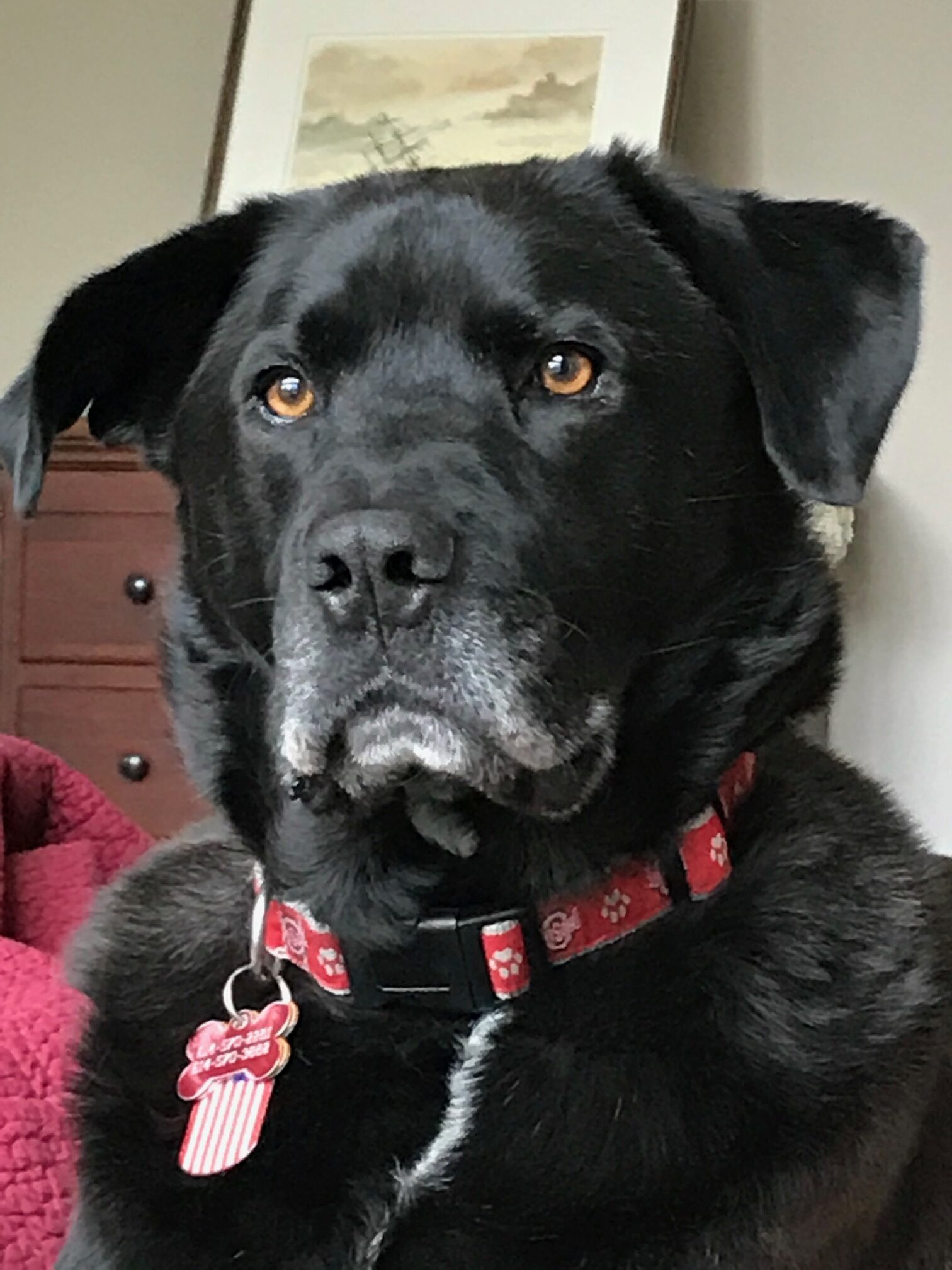
While on vacation in 2016, we saw a photo of a dog available for adoption. His sweet face caught our attention, but so did his name: Bear. We had named our first rescue Bear, and it felt like a sign. We called the rescue agency and learned that it was holding an adoption event at a pet store the day after we returned.
At the adoption event, we met Bear on Valentine’s Day and love at first sight; he was meant to be ours. We started calling him Bear Bear because to differentiate his given name from our first rescue. He lay stretched out on the floor, calmly enjoying belly rubs and affection, as if unsure why he was there. We learned that the dog rescuer brought him to Columbus from a high-kill shelter in southern Ohio. A local family was fostering him.
The next day, we picked him up from his foster family. They clearly loved him but were happy that he had found his forever home. The only challenge was getting him into our car. After being moved from place to place in foster care, he seemed reluctant to leave again. With treats and gentle coaxing, we finally persuaded him to come with us.
He was such a sweet, wonderful dog. We made an appointment with our veterinarian for a checkup. The rescue agency estimated that he was about one year old, but our vet believed he was closer to two or three. He settled into our home easily—no accidents or chewing, just a happy dog.
We soon discovered that he was an escape artist. He could take off so quickly that no one could catch him, and we sometimes had to search for him with help from our neighbors. Thankfully, he was never hurt during his solo adventures. We quickly learned to be more careful and always kept him on a leash.
We walked him two or three times a day, and he loved meeting and playing with other dogs in the neighborhood. He also had a distinctive habit: whenever he heard a siren, he howled like a wolf, often making passersby stop and stare.
Later in life, he developed dementia and spinal stenosis caused by age-related degeneration of his lower spine. With treatment from our veterinarian, he continued to enjoy a good life. Eventually, he struggled to get up and down, and his back legs often gave out while he was standing. He was probably close to 13 years old and had been part of our family for more than a decade. Letting him go was an extremely difficult decision, but Dr. Rikh’s kindness and reassurance helped us know it was the right one.
He was the best dog, and our home is not the same without him. We loved him, he loved us, and we feel incredibly fortunate to have found him. We miss Bear deeply, and we will never forget him.